
Cailian Press: AI and Energy Choices Shift Construction Machinery Toward Solutions
auth.
Time
Click Count
During bauma CHINA 2026, held from November 24 to 27, Cailian Press observed a shift in construction machinery from selling individual machines toward delivering complete solutions. AI is moving into practical operating conditions, while electric, hybrid, cable-powered and methanol range-extended approaches are being matched to different applications. The supplied information identifies no new policy, regulation, standard or certification rule. For manufacturers, buyers and delivery partners, the development is therefore best examined as a possible change in purchasing and delivery expectations whose formal implications remain to be verified.
What the exhibition observations establish
Cailian Press reported that the construction machinery industry is moving from individual equipment sales toward the delivery of integrated solutions. It observed that AI technology is being applied more quickly in actual operating conditions.
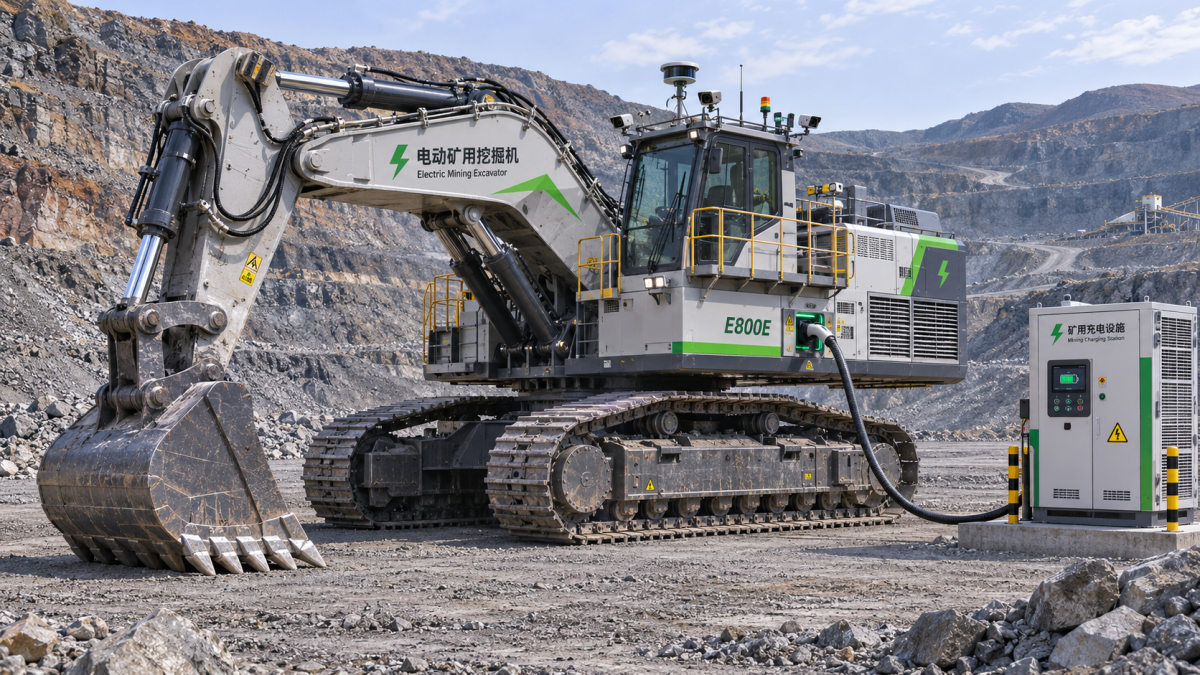
The report also described distinct energy pathways. Battery-electric equipment continues to enter heavy-duty mining applications, while hybrid, cable-powered and methanol range-extended approaches are suited to different uses. Overseas customers came from a wide range of origins and covered the full product line.
These are the facts provided about the event. The supplied material does not identify a specific policy announcement, regulatory amendment, standard, certification decision or trade rule associated with the observations.
Where solution delivery could alter commercial expectations
Manufacturers face a wider definition of the offer
From an industry perspective, a move toward solutions could change how a manufacturer describes the scope of a sale. A proposal may need to explain how a machine, its energy approach and any AI-enabled functions fit the buyer's stated operating conditions. That is a potential commercial response to the reported shift, not a new legal obligation established by the event.
The distinction matters during specification alignment. If a buyer expects an outcome in a particular working environment, the parties may need a clearer account of which operating conditions are assumed and which elements are included in delivery. Ambiguity could otherwise complicate comparison between proposals or the assessment of the finished solution.
Manufacturers may also need to coordinate information from several parts of the supply chain when presenting a combined offer. The supplied report does not establish how any particular company organizes that work, but it gives businesses a reason to examine whether their existing product documentation can support a broader scope.
Buyers may compare suitability as well as machines
Analysis suggests that procurement teams could place greater emphasis on the fit between an energy pathway and the intended application. The reported movement of battery-electric equipment into heavy-duty mining does not establish that electricity is the best choice for every heavy-duty task. Equally, the mention of hybrid, cable-powered and methanol range-extended approaches does not establish a universal ranking among them.
For a buyer, the practical question may be how each proposed configuration would work under the conditions stated in the purchase documents. A procurement process could ask suppliers to identify assumptions about the operating environment, the configuration offered and the support included. These are suggested areas for review; the input does not report a change to any tender requirement.
Delivery and service partners may need earlier alignment
Where an offer combines equipment with AI functions or a particular energy configuration, delivery partners and service providers could face a broader handover. Analysis suggests that the parties may benefit from agreeing on responsibilities for documentation, commissioning and subsequent support before an order is finalized.
This possible effect follows from the nature of an integrated offer; it is not evidence that a new delivery procedure has already been adopted. The report does not specify the services included in any transaction or the contractual terms used at the exhibition. Businesses should therefore assess their own arrangements rather than assume a common industry practice.
Overseas sales call for case-by-case verification
The reported breadth of overseas customer origins and product coverage suggests that suppliers may receive inquiries across different equipment categories and destinations. From a trade perspective, that could make early verification of the requirements applicable to each transaction more useful, especially when an offer includes several components or functions.
The information supplied does not name destination markets or identify changes to their import, certification or trade rules. Exporters and buyers should consequently check applicable requirements for the actual product and destination when these are known. The exhibition observation alone does not establish that any certificate, document or approval has changed.
Turning operating conditions into a workable order
Define the application before selecting a configuration
A useful first step for buyers and suppliers is to describe the intended task and working conditions in enough detail to compare the proposed solutions. In the context of the report, that means examining why a battery-electric, hybrid, cable-powered or methanol range-extended approach is being proposed for the particular application.
Both sides could record the assumptions behind the choice and identify points that still need validation. For example, a proposal for heavy-duty mining equipment should be assessed against the buyer's actual conditions rather than treated as suitable solely because the report describes growing use of battery-electric equipment in that setting. The supplied information does not provide performance data or establish a preferred configuration.
Make AI claims testable in the stated setting
The reported application of AI in real working conditions raises a practical procurement question: what function is being offered, and how will the parties determine whether it works under the conditions relevant to the buyer? Analysis suggests that technical discussions could distinguish a described capability from the specific performance expected at delivery.
Buyers and suppliers may consider documenting the function's scope, the conditions for assessment and any agreed responsibilities for support. They should verify claims against available evidence for the proposed equipment. The input does not identify particular AI systems, testing methods or mandatory acceptance criteria, so none can be assumed from the exhibition report.
Review documents and responsibilities across the package
For a solution that includes more than a machine, participants could review whether the quotation, technical documents and delivery terms describe the same scope. This may include checking which configuration is being supplied, what information accompanies it and who is responsible for the different elements of handover and support.
Where certification or regulatory documentation is relevant to an actual order, the parties should verify the applicable requirements with authoritative sources and confirm who will provide the necessary material. This is a transaction-specific check, not an assertion that the report introduced a new certification requirement. Suppliers may also consider whether changes to an energy configuration or an AI-enabled function need to be reflected in the documents used for that order.
Plan procurement and delivery around verified scope
Analysis suggests that an integrated offer may require earlier coordination between the equipment supplier, buyer and any parties responsible for supporting components or services. Before committing to a schedule, they could check whether the selected configuration, technical information and agreed support are available for the proposed delivery.
The report supplies no delivery timelines, supplier qualifications or evidence of disruption. The relevant response is therefore to verify the particulars of each proposed order, including any dependencies identified by the parties, rather than infer that lead times have already changed. For overseas transactions, the same review could include the documentation required for the identified destination once it is known.
A market signal that still needs rule-by-rule confirmation
In the editor's assessment, the observations are more appropriately treated as a signal about commercial execution and customer expectations than as evidence of a rule already in force. The source material describes technology application, energy choices and the scope of customer interest; it does not announce a policy measure or set out an official implementation process.
That distinction affects how companies should act. A business can examine whether its specifications and delivery arrangements are suited to integrated offers now, while separately checking whether any relevant public authority, standards body or customer has changed a requirement. A commercial expectation in a tender may affect a bid without necessarily becoming a general industry rule. Conversely, an applicable formal requirement would need to be assessed on its own terms and within its stated scope.
What deserves closer attention is whether later tender documents specify operating conditions, AI performance or energy configurations more precisely, and whether any official or standards-related information changes the requirements for relevant equipment. Feedback on actual deliveries could also help businesses distinguish a broadly applicable purchasing pattern from an observation at one event. None of those later developments is confirmed in the supplied material.
Keeping the commercial shift in perspective
The exhibition report points to a construction machinery market in which the suitability of a complete offer may receive more attention alongside the machine itself. AI applications and a choice of energy pathways give buyers and suppliers specific issues to discuss when defining operating conditions, technical scope and delivery responsibilities.
The prudent interpretation is a development to monitor and assess in individual transactions. Companies can prepare clearer specifications and verify applicable documentation, while avoiding the assumption that the observations establish a new regulation, certification rule or settled industry-wide outcome.
Basis for this report and items to verify
This article is based on the user-provided news title, event dates and summary of Cailian Press's observations at bauma CHINA 2026. No specific official source link was provided in the input, and relevant details require continued verification.
Depending on the transaction or question, subsequent checks may include official announcements, regulator publications, trade authority information, industry association materials, standards body documents and authoritative media reporting. Areas to monitor include any policy details, certification interpretations, changes in tender documents, trade execution, customer feedback and companies' experience delivering the proposed solutions.
Recommended News
- Nov 29, 2026What Is a 3-Stage Forklift Mast? Lift Height and Clearance ExplainedExplore lift trucks 3 stage mast options and learn how lift height, free lift, clearance, and capacity affect your choice. Find the right fit for your operation.Dr. Alistair Vaughn
- Nov 28, 2026Cailian Press: AI and Energy Choices Shift Construction Machinery Toward SolutionsConstruction machinery is shifting toward integrated solutions. Explore how AI and electric, hybrid and other energy choices could reshape equipment purchasing.Prof. Marcus Chen
- Nov 28, 2026bauma CHINA 2026 Closes With Over 340,000 Visitorsbauma CHINA 2026 drew over 340,000 visitors and 4,120 exhibitors. Explore the event's two-venue format and international reach.Dr. Alistair Vaughn
Tag
Leave a message today for expert advice tailored to your needs!
We respect your privacy. Your information is strictly confidential.
Recommended News
TIME
auth.
Can't find a specific resource?
Our curation team is constantly updating the directory. Contact our ethics and research division if you require specialized MedTech documentation.