
China Construction Machinery Association Releases October 2026 Sales Data
auth.
Time
Click Count
In October 2026, the China Construction Machinery Association released sales figures showing different demand patterns across mobile cranes, forklifts and road machinery. The information supplied describes a statistical release, rather than a new policy, certification requirement or trade rule. For manufacturers, equipment buyers and suppliers, its value lies in the questions it raises about purchasing plans and delivery capacity—and in the need to distinguish a market signal from a change in operating requirements.
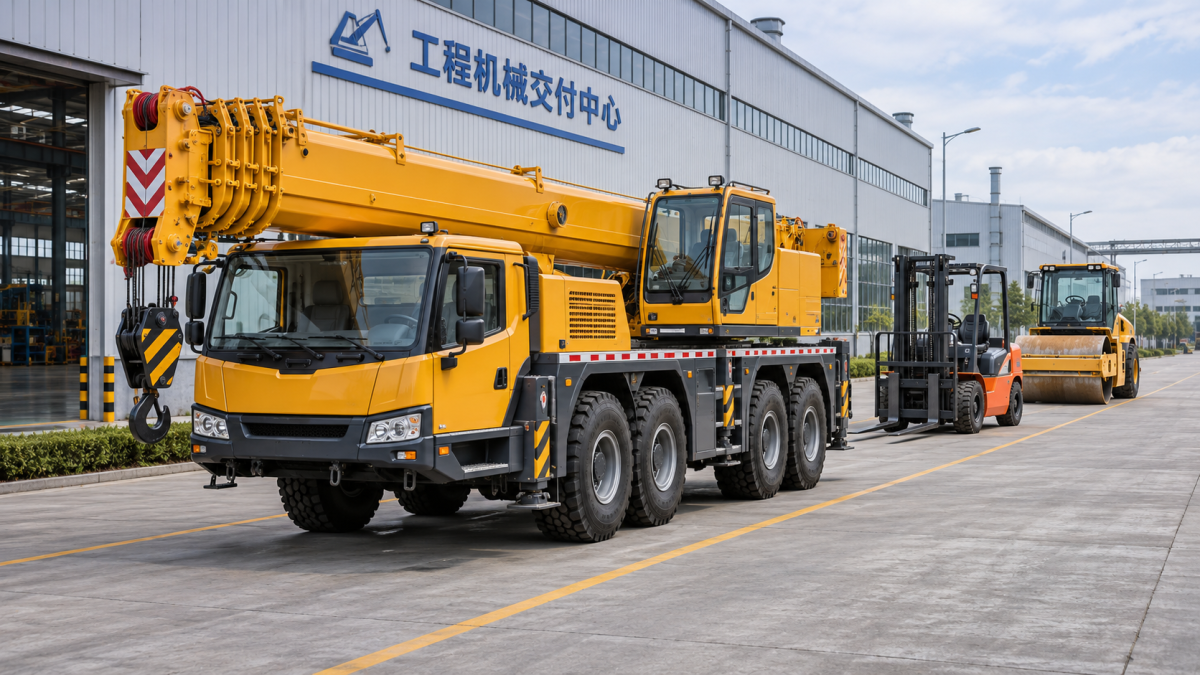
October sales diverged across equipment categories
Sales of mobile cranes reached 1,384 units in October, down 2.67% year on year. Domestic sales accounted for 682 units, a decrease of 7.59% from a year earlier.
Forklift sales, excluding electric pedestrian warehouse trucks, totaled 44,844 units in October, down 0.86% year on year. For January through October, sales reached 529,130 units, an increase of 6.62% from the same period a year earlier.
Road roller sales reached 1,428 units in October and increased year on year. Motor grader sales totaled 854 units, up 34.7% year on year.
What the sales mix could mean for orders and deliveries
Crane manufacturers and their suppliers
Analysis suggests that the decline in domestic mobile crane sales may warrant a closer review of order visibility. The domestic decrease was larger in percentage terms than the decline in total sales, although the supplied information does not explain why. Manufacturers and component suppliers could use the distinction when assessing production schedules, inventory commitments and the timing of deliveries.
A single month does not establish that orders will continue to weaken. Suppliers considering a change in purchasing volumes may therefore benefit from checking actual customer schedules and contractual commitments before treating the October result as a lasting demand pattern. The data also do not establish that buyers have changed their technical specifications or that any new compliance requirement applies to cranes.
Forklift channels and equipment buyers
For forklift manufacturers, distributors and buyers, the contrast between the slight October decline and growth over January through October calls for care when interpreting demand. Analysis suggests that a monthly figure and a cumulative figure answer different questions: the first describes the reported month, while the second covers a longer period. Neither, by itself, confirms the direction of future orders.
The category definition also matters to procurement teams comparing supplier information. The reported forklift figures exclude electric pedestrian warehouse trucks. A buyer or distributor using a broader product definition could reach a different view of volumes, even when working with the same underlying period. Checking the equipment included in a quotation or sales comparison may therefore be more useful than relying on the category name alone.
Road machinery production and project purchasing
The increase in road roller sales and the stronger percentage growth reported for motor graders may attract attention from manufacturers, suppliers and project buyers. From an industry perspective, these figures could prompt a review of availability and delivery schedules for the two product categories. The release as described does not establish whether demand is evenly distributed among buyers or whether an individual supplier has capacity constraints.
Businesses should also avoid treating the reported growth rates as interchangeable. The supplied summary gives a percentage increase for motor graders but does not specify the percentage increase for road rollers. Comparisons of the pace of growth would require additional verified information.
Checks to make before adjusting purchasing plans
Separate product categories and time periods
A practical starting point is to compare like with like. Buyers assessing forklift requirements can check whether electric pedestrian warehouse trucks are included in their own records. Crane suppliers can distinguish domestic sales from total sales when discussing demand. For road machinery, separate reviews of road rollers and motor graders may be more informative than a single combined forecast.
Analysis suggests that keeping October figures separate from January-to-October figures can also reduce the risk of overreacting to one measure. A company may choose to compare its own orders and delivery commitments over the same periods, while recognizing that its customer base may differ from the market represented in the association figures.
Confirm schedules with suppliers and customers
Companies considering changes to production or procurement could verify open orders, delivery dates and inventory plans directly with their trading partners. This may be particularly relevant where a buyer needs mobile cranes on a fixed schedule or is planning purchases of road machinery. The sales release offers context for those conversations; it does not confirm a shortage, surplus or change in lead times.
Where delivery terms are under discussion, parties could review the dates and product descriptions in their existing documents and quotations. Such checks are ordinary commercial precautions, not new obligations created by the reported figures. Any adjustment to a plan would depend on the relevant agreement and the information available to the parties.
Verify specifications and applicable requirements
Before placing or revising an equipment order, buyers may wish to confirm that product specifications, supporting documents and acceptance conditions match their intended purchase. If an order involves certification, testing or trade documentation, the relevant requirements should be checked against the documents applicable to that transaction.
The input does not identify a new standard, certification requirement, customs measure or regulatory deadline. Analysis therefore supports verification of existing transaction requirements, but not an assumption that the October sales release has changed them. Similarly, no change to tender conditions or delivery rules can be inferred from the sales totals alone.
Test alternatives against the actual need
If availability or delivery timing becomes a concern in a particular transaction, a buyer could assess an alternative product or supplier against its technical and commercial needs. Any substitution would require its own review of suitability, documentation and agreed acceptance terms. The reported figures do not establish that substitutions are necessary or that one equipment category can replace another.
A demand signal, with no rule change established
At this stage, it is more appropriate to understand the release as an industry demand signal than as the implementation of a policy or trade rule. The figures offer a basis for questions about the relative strength of equipment categories, but the supplied information does not link the results to a regulatory decision or explain the causes of the changes.
Further observation could improve business judgments. Later association releases, if available, could help show whether the October differences persist. Companies could also compare subsequent order and delivery information with their own experience. Any claims about new certification, procurement or trade requirements would need to be checked against the relevant official or contractual documents rather than inferred from sales data.
There are limits to the comparisons available here. The summary provides total and domestic sales for mobile cranes, but it does not provide equivalent domestic breakdowns for the other categories. It also does not supply a road roller growth percentage. These gaps matter when assessing markets or comparing changes across products.
Use the figures as a planning reference
The October figures point to weaker domestic mobile crane sales alongside growth in road roller and motor grader sales and a positive cumulative result for forklifts. For industry participants, the practical response is to examine the categories and periods relevant to their own orders, then verify specifications, schedules and applicable requirements with the parties involved.
The data do not establish a new compliance duty or guarantee a future market direction. They are best treated as a reference for review and follow-up, with any procurement or delivery decision grounded in verified transaction details.
Basis for this report and further verification
This article is based on the news title, event date and summary supplied by the user. The supplied information attributes the sales figures to the China Construction Machinery Association. No specific official source link was provided in the input, so the release and its detailed definitions should be verified when an official source becomes available.
Relevant material for continued review could include subsequent association information, official announcements and the procurement or technical documents applicable to individual transactions. Industry feedback, later sales releases and any separately announced changes to certification, tender or trade requirements remain matters for observation and verification.
Recommended News
- Nov 24, 2026Haian Group Showcases Giant Mining Tires at bauma CHINA 2026Haian Group showcases giant all-steel mining tires at bauma CHINA 2026. Explore its domestic alternative and product-and-service approach to overseas growth.Dr. Alistair Vaughn
- Nov 24, 2026Choosing Mobile Crane Equipment: Load Capacity, Reach, and Site AccessChoose mobile crane equipment with confidence. Learn how load capacity, boom reach, ground support and site access affect your next lift.Dr. Alistair Vaughn
- Nov 23, 2026Vögele Presents Asphalt Paver and Material Transfer Vehicle for Different Jobsite NeedsVögele asphalt paver and material transfer vehicle: explore the SUPER 3000-3i and MT 3000-3 Li and what buyers should verify for large road projects.
Tag
Recommended News
TIME
auth.
Can't find a specific resource?
Our curation team is constantly updating the directory. Contact our ethics and research division if you require specialized MedTech documentation.